Neutrality is not moral indifference. It is an indispensable professional stance that allows us to fulfil our humanitarian mandate. For example, to operate safely in the world's most violent war zones, we must be trusted by all parties. Our neutrality is the foundation of that trust. Only by refusing to side with either party to a conflict can we side with all the victims of that conflict, and only by avoiding actions that benefit one party over another can we operate in the interest of humanity as a whole.
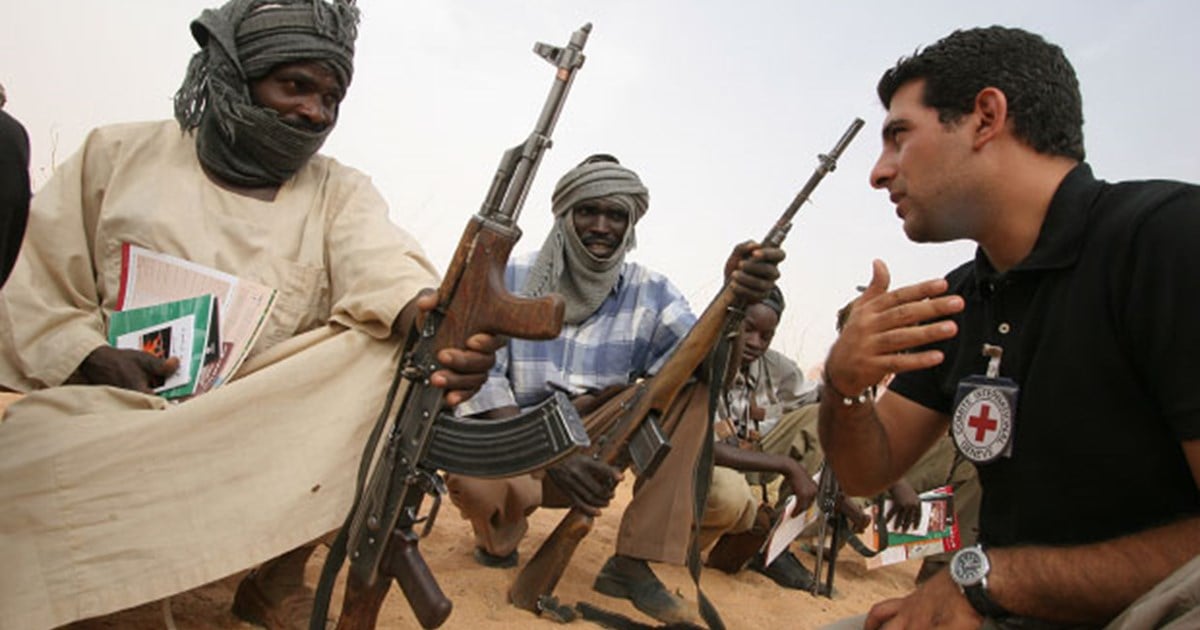
Neutrality enables us to gain access through checkpoints, into detention centres, and into conflict-affected areas, so we can deliver humanitarian assistance where it is needed most. It also allows us to advise parties on their obligations under international humanitarian law (IHL), also known as the laws of war. Respect for the principle of neutrality is core to our ability to achieve our mandate during war and peace time.
Neutrality does not mean that we are unable to speak out. At times we may choose to advocate on issues of humanitarian concern, such as nuclear weapons, but always in a way that is grounded in neutrality and focused solely on humanitarian impacts.
What is the difference between neutrality and impartiality?
Neutrality relates to how we interact with authorities. It simply means that the Movement takes no side other than the side of humanity.
By contrast, impartiality relates to how we interact with those experiencing vulnerability. We assist based solely on need, without discrimination. This means that we don't make judgements about people based on their race, religion, language, health or disability status, socio-economic status, sexual orientation, criminal record, drug use history, or any other factors.
A good way to remember the difference is that the Movement is neutral towards those with power, and impartial towards those in need.
The power of neutrality in humanitarian action
For all components of the Movement, neutrality is not simply theoretical - it is a daily practice. It means we do not take sides, but we stand firmly for the rights of every person affected by conflict. It allows us to sit at tables others cannot, to reach places others will not, and to deliver aid where others are unable or unwelcome.
Because we don't take sides the Movement can:
- Facilitate the release and transfer of detainees and hostages
- Support safe evacuations and family reunifications
- Act as a trusted go-between for states and non-state armed groups
- Clarify the fate of the missing
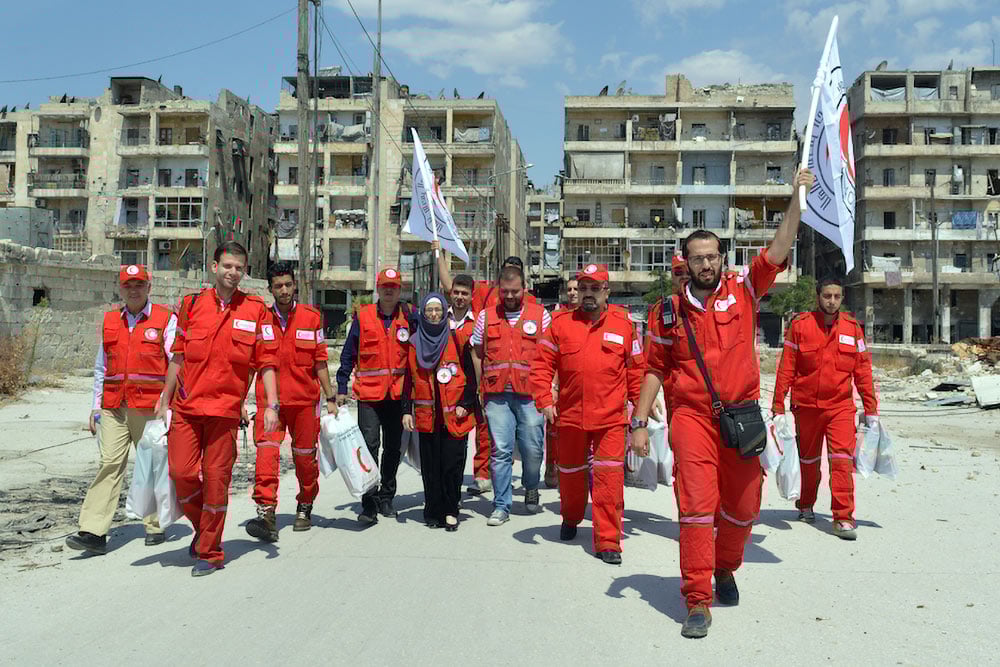
- Deliver humanitarian assistance across front lines and borders
Much of this work takes place through discreet dialogue and negotiation. This behind-the-scenes approach ensures that we can be present, trusted and effective.
Neutrality is what allows the Movement to reach those who need help, wherever they may be.