


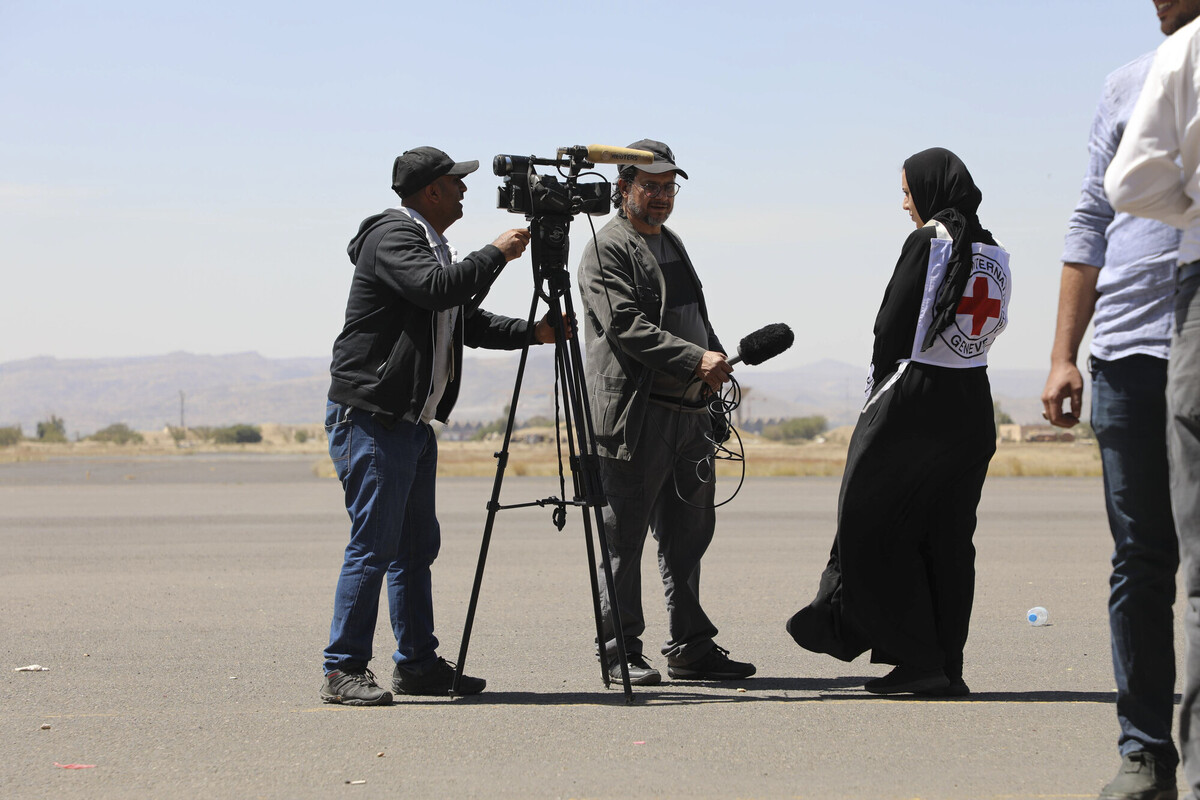
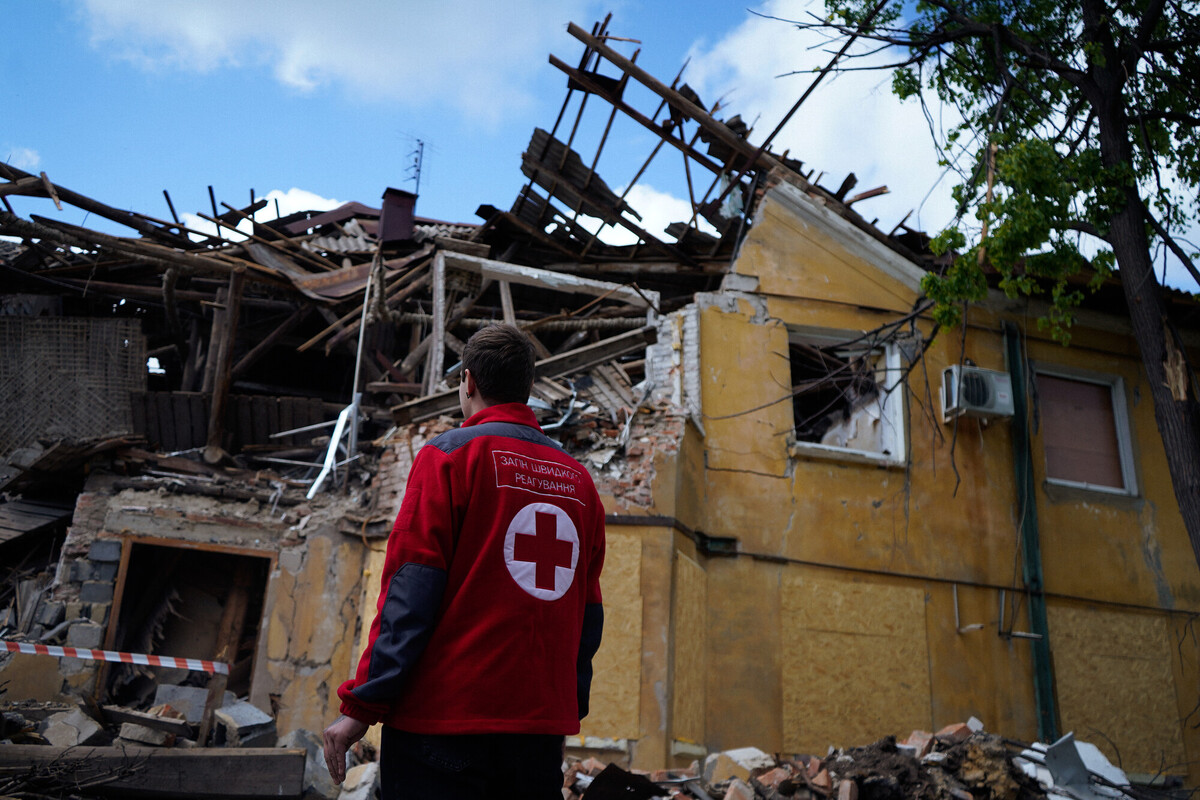
International humanitarian law (IHL) also known as the ‘Laws of war’ is a set of rules which seek, for humanitarian reasons, to limit the effects of armed conflict. It protects persons not, or no longer, participating in hostilities and restricts the means and methods of warfare.
With around 130 armed conflicts currently taking place worldwide, media coverage will often reference situations of war.
Those reporting on them must do so accurately to help ensure respect for the laws of war and protection of those affected. The law also includes specific rights and obligations relating to journalists and media professionals, making IHL, a valuable tool when reporting in or encountering conflict settings.
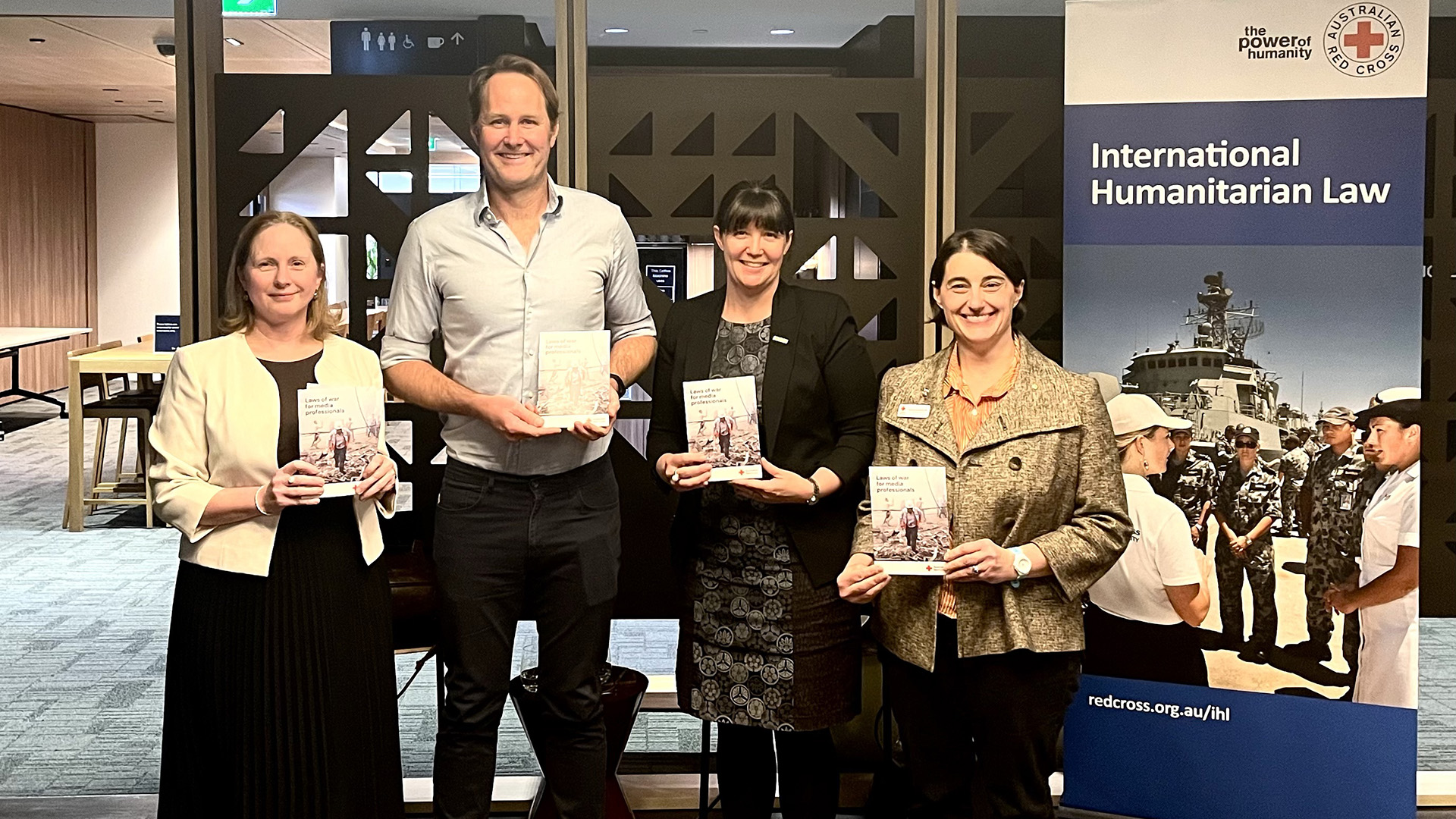
Australian Red Cross has developed this resource to build a stronger understanding of IHL among Australian journalists and media professionals.
The booklet is designed to deepen awareness of these laws, while supporting those reporting from conflict-affected contexts to better safeguard themselves and others.





“For all its chaos and its fear, war has laws. In an age when we see armed actors around the world show increasing disregard for the rules of conflict, it has rarely been more important to understand what those laws of war are, how they work to protect people, and how they hold power to account. Journalists play a critical role in improving community and global understanding of the laws of armed conflict: this practical guide is a key tool to serve that vital public interest.”
We hope our guide inspires journalists to become advocates for this vital, life saving framework, both in Australia and internationally. We encourage you to respect and promote the laws of armed conflict, and to play a role in ensuring they are upheld and applied.
Australian Red Cross is ready to provide further support in raising awareness of IHL. Please see the full booklet below.
“We know that understanding of IHL, or the laws of war, can help improve respect for it, leading to better outcomes for civilians and others that the law looks to protect. Journalists have an important role to play in promoting that understanding. They may also benefit from the protections that the laws of war offer. We hope that this booklet will be a valuable tool for journalists to assist them not only in their reporting, but also in their own personal safety when working in conflict environments.”
Media enquiries: media@redcross.org.au or 1800 733 443

Australian Red Cross acknowledges the Aboriginal and Torres Strait Islander peoples as the Traditional Owners and Custodians of this land, their ancestors and Elders, past and present.
Learn about our Reconciliation Action Plan and how we can all make reconciliation real.
This website may contain the images, voices or names of people who have passed away.
All donations to Australian Red Cross are tax-deductible in Australia. Site protected by Google Invisible reCAPTCHA. © Australian Red Cross 2026. ABN 50 169 561 394