

One story, three milestones: Reflecting on 112 years of Australian Red Cross

For 112 years, Australian Red Cross has stood alongside communities facing conflict, disaster, and hardship.

Across generations, our staff, members, and volunteers have helped people navigate some of life's most challenging moments, whether responding to emergencies at home, supporting people impacted by conflict overseas, or strengthening communities before and after crisis and disruption.

This August, we also recognise the 77th anniversary of the Geneva Conventions, and World Humanitarian Day. While each commemorates a different aspect of humanitarian work, together they tell one story about who we are, the principles that guide us, and why our mission remains as important today as it was more than a century ago.

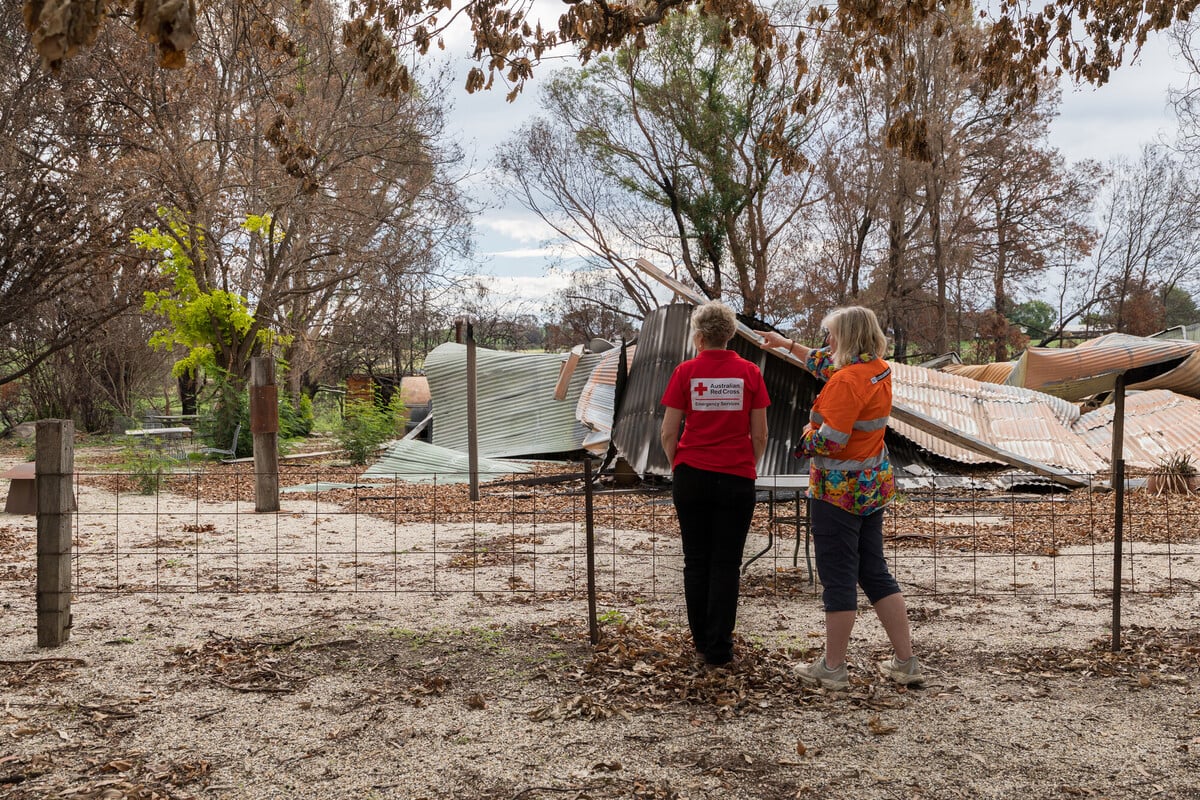
After the Longwood fire devastated the township of Ruffy in January 2026, locals came together to support one another when it mattered most. Australian Red Cross volunteers like Jessica provided support to Ruffy community leaders like Anne, walking alongside them and helping to shape the transition from relief into longer-term recovery. Credit: Australian Red Cross / James Gilligan

A legacy of humanity in action

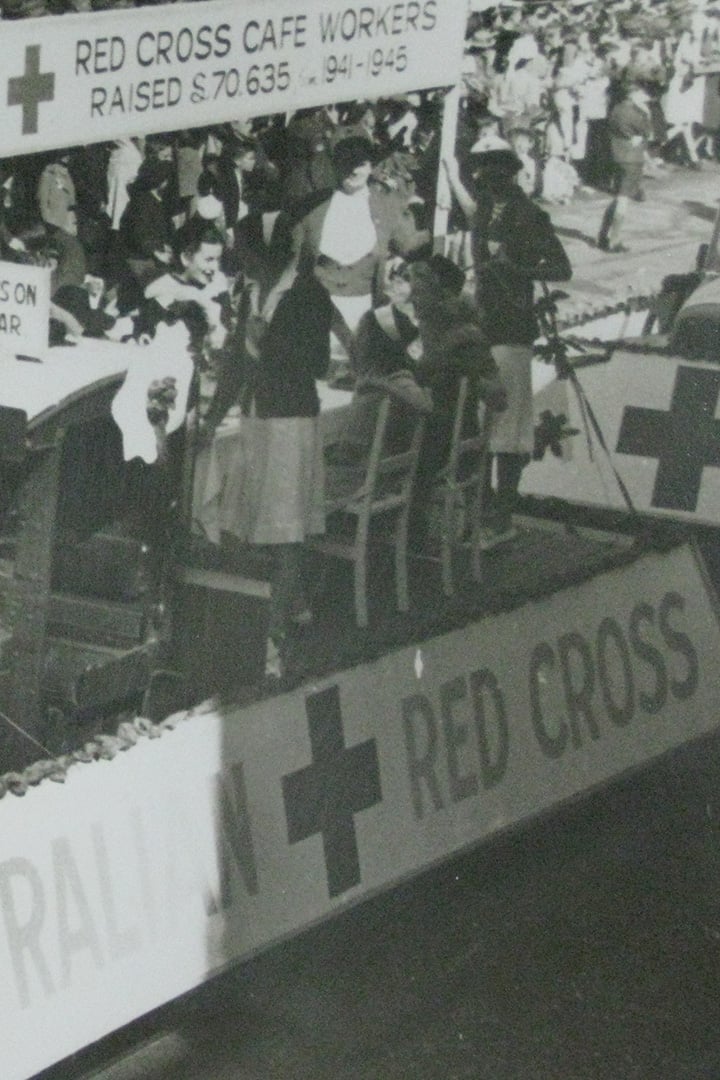
For Australian Red Cross, our anniversary is an opportunity to reflect on a legacy that began in 1914 and continues today through the dedication of people who choose to put humanity into action every day.

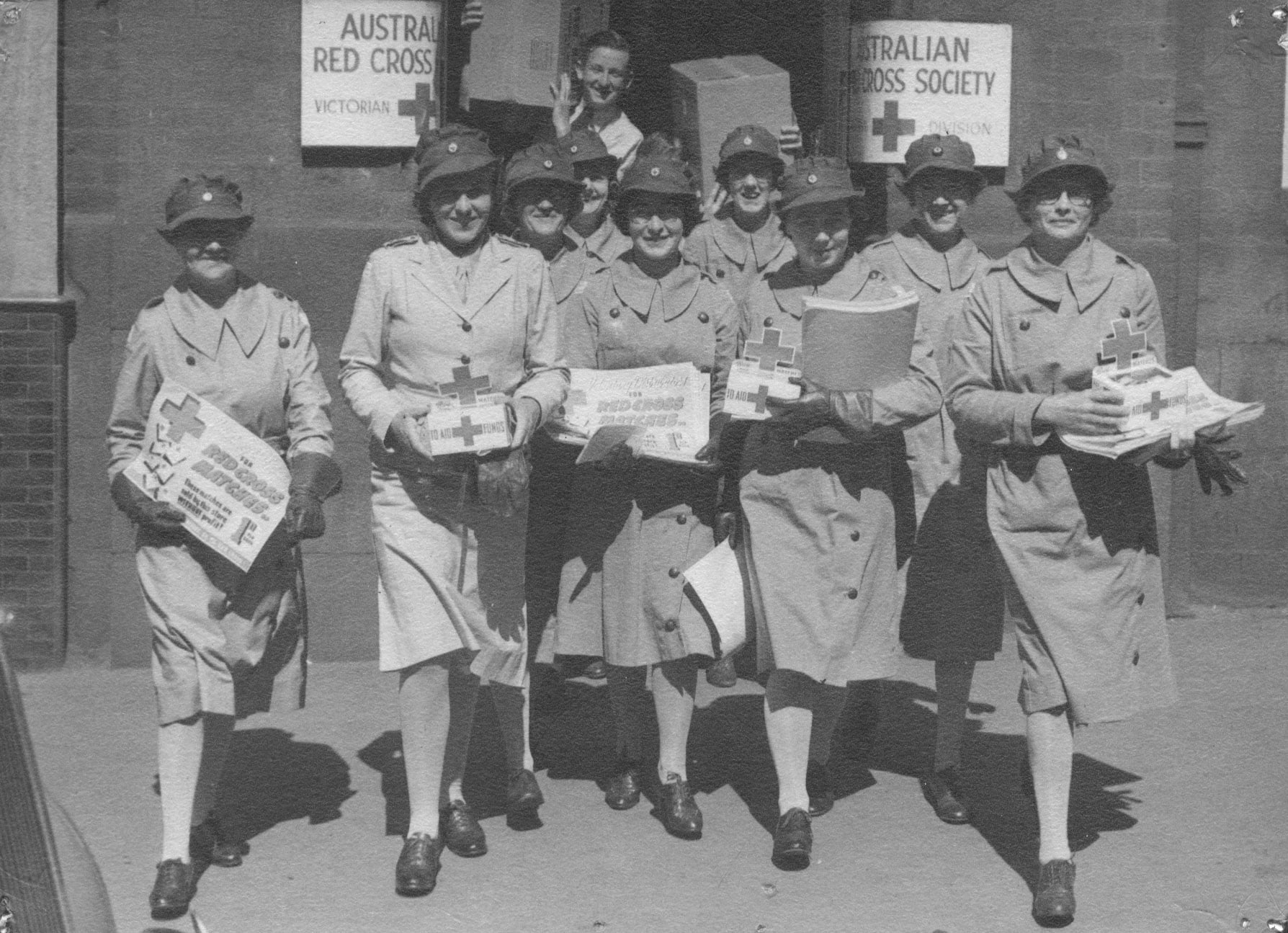
Founded by Lady Helen Munro Ferguson, Australian Red Cross began with people mobilising communities to support those affected by war. It was built on the belief that ordinary people can make an extraordinary difference in times of need.

For 112 years, generations of people have carried forward the Australian Red Cross mission, standing beside communities through conflict, disaster and hardship. Their commitment has helped shape the organisation we are today and continues to drive our work into the future.

Credit: Australian Red Cross

The principles that guide us

The anniversary of the Geneva Conventions reminds us that humanitarian action is guided by principles and protections that help preserve humanity during times of conflict.

For 77 years, these universally ratified laws have helped protect civilians, detainees, the wounded and sick, and humanitarian personnel during armed conflict.

At their heart is a simple principle: even wars have limits.

That principle remains as relevant today as ever. In a world facing increasingly complex humanitarian challenges, international humanitarian law (IHL) continues to provide an essential framework for reducing suffering and protecting human dignity.

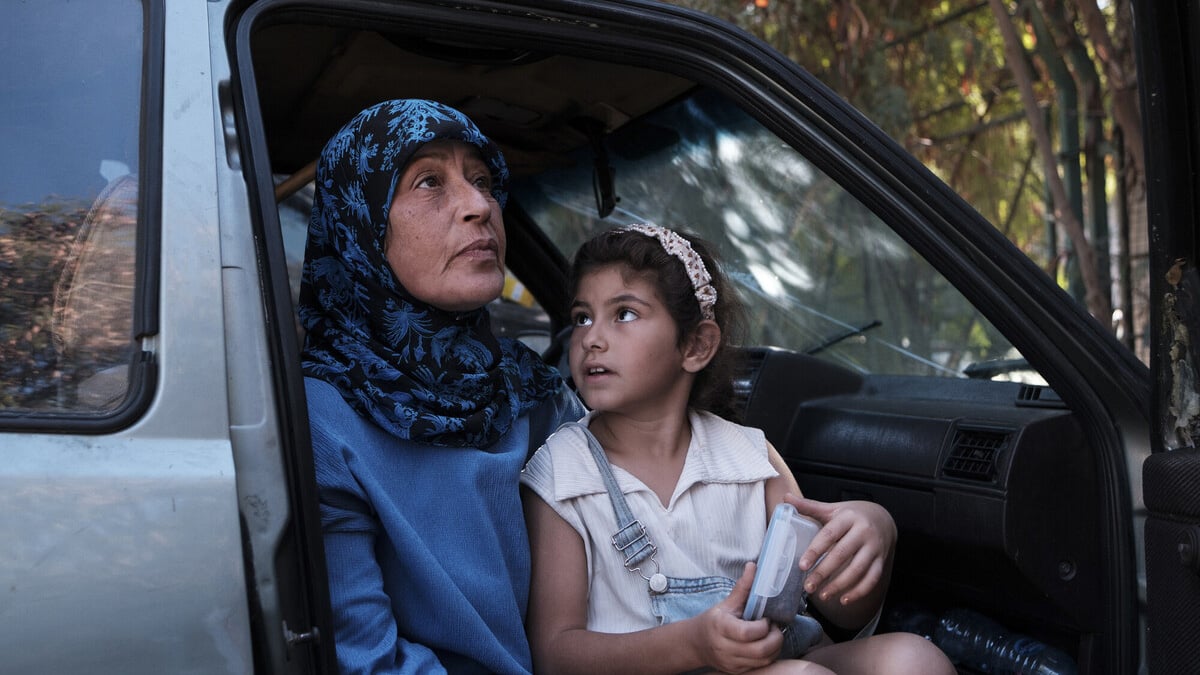
Batoul, a seven-year-old girl, with her mother, both living in an ICRC-supported shelter in the Karatina district of Beruit. Credit: ICRC
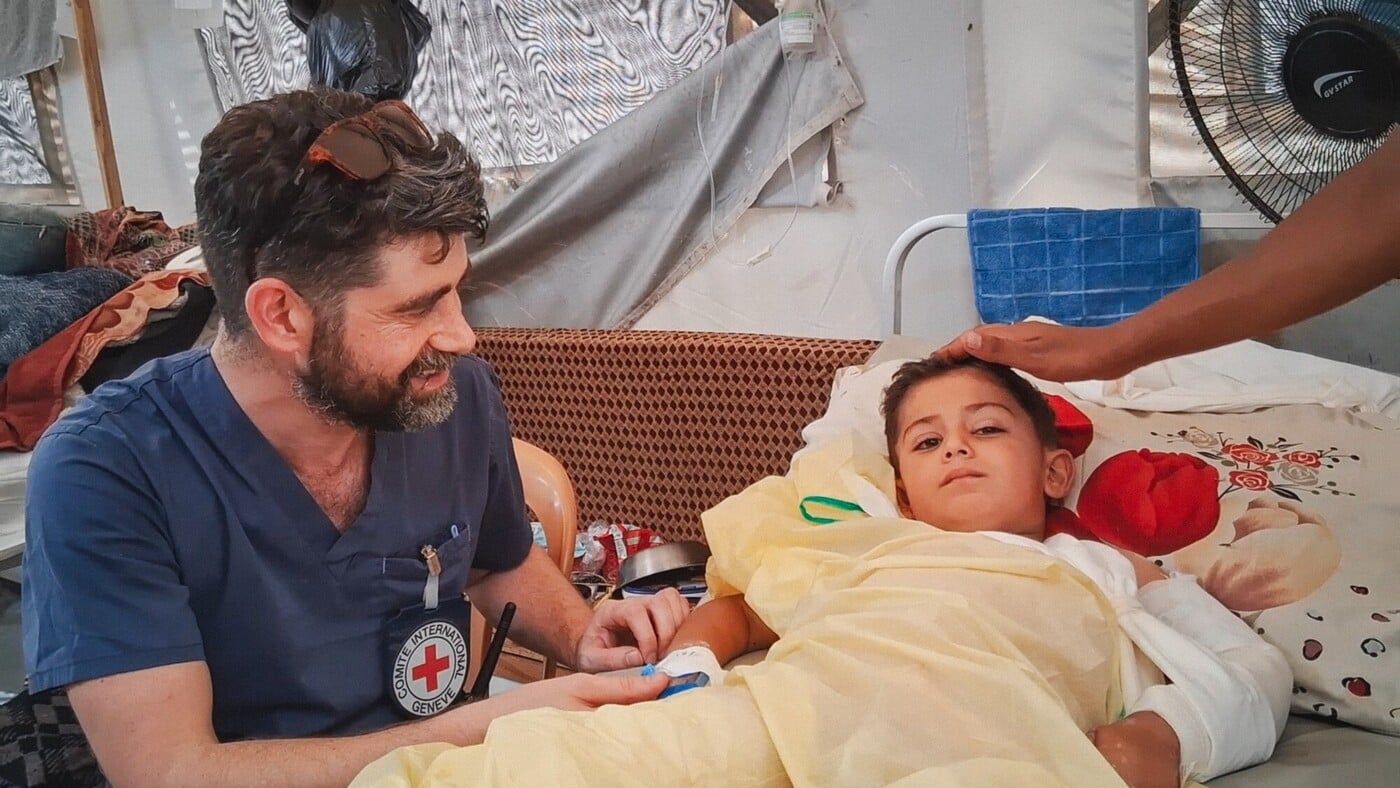
Emergency nurse and Australian Red Cross delegate Jean-Philippe (JP) Miller with a young patient at the Red Cross field hospital in Rafah, Southern Gaza. Photo: ICRC

The people behind humanitarian action

World Humanitarian Day turns our attention to the people who bring these principles to life.

Every day, humanitarian workers, volunteers and local communities provide life-saving support to people affected by conflict and crisis, often in some of the world's most challenging and dangerous environments.

Their dedication reflects the same spirit that has shaped Australian Red Cross for more than a century and the humanitarian principles that underpin the Geneva Conventions.

Yet today, humanitarian personnel face increasing risks. This year's World Humanitarian Day also highlights the importance of the Declaration for the Protection of Humanitarian Personnel, spearheaded by Australia and endorsed by more than 100 countries.

Together with the Geneva Conventions, it reinforces a simple but vital principle: those providing humanitarian assistance must be protected so they can safely reach people in need.

Australian Red Cross acknowledges the Aboriginal and Torres Strait Islander peoples as the Traditional Owners and Custodians of this land, their ancestors and Elders, past and present.

Learn about our Reconciliation Action Plan and how we can all make reconciliation real.

This website may contain the images, voices or names of people who have passed away.