

While many businesses are working to strengthen their supply chains, exploitation remains a reality for too many workers around the world. Natalie Maxwell-Davis from our Modern Slavery Prevention and Response team outlines below the role organisations can play in helping workers stay informed, protected and supported.
Modern slavery is an umbrella term that refers to the most serious forms of exploitation, where a person feels they cannot refuse or leave the situation because of the abuse of power used to control them. Unlike traditional perceptions of slavery, modern slavery often involves the use of threats, coercion, deception to ultimately enable perpetrators to treat that person as if they owned them. The term encompasses a range of severe forms of exploitation including human trafficking, forced labour, forced marriage, debt bondage and deceptive recruiting.
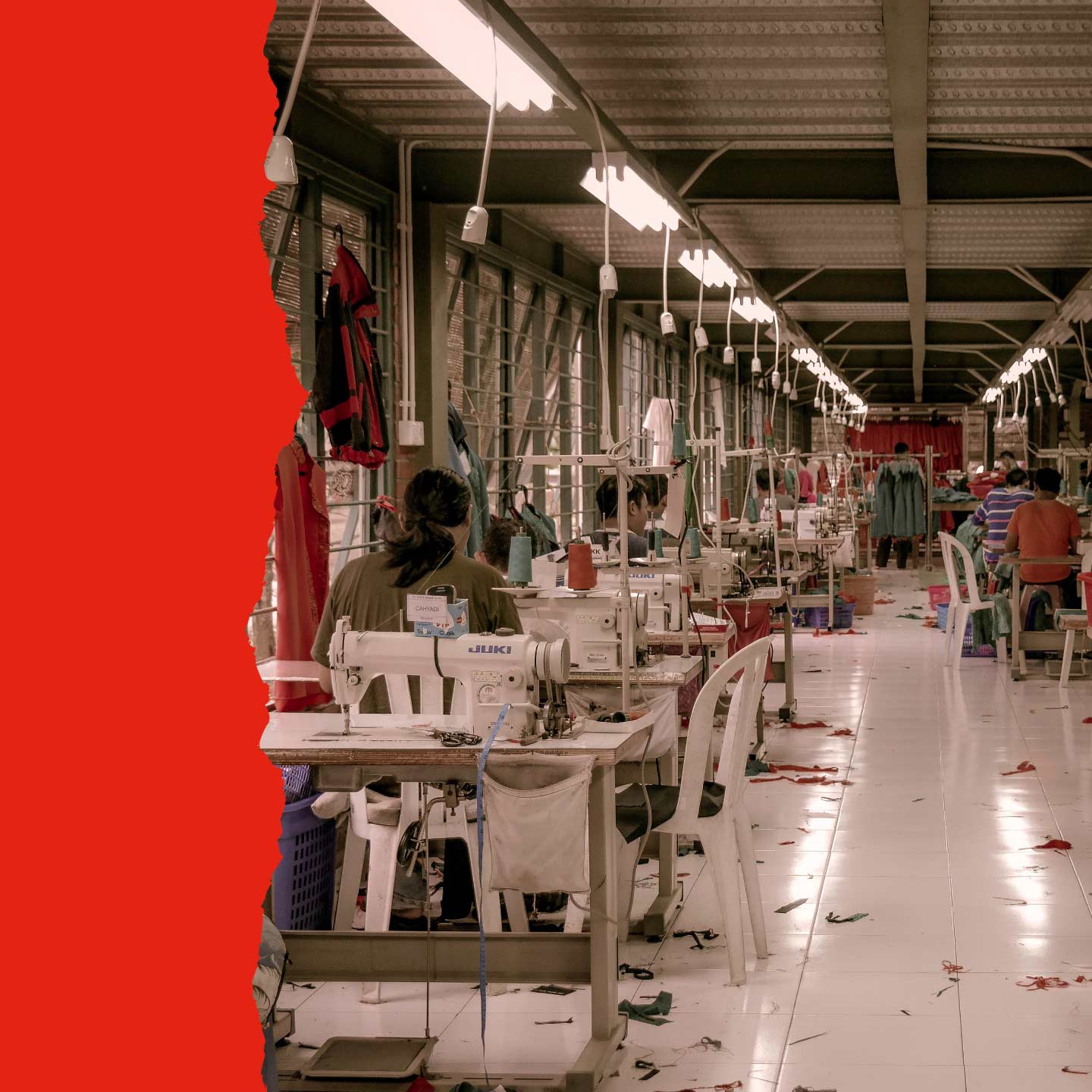
I think everyone wants to know the clothes that we wear, sell, or design, have not come at the expense of another person’s freedom. Unfortunately, the nature of the global garment industry means that the risk that clothes sold in Australia are linked to the exploitation of workers elsewhere remains extremely high. These risks exist at multiple stages of the supply chain, from the growing and processing of raw materials such as cotton, through to cut-and-sew factories in countries with weaker labour regulation. This is also compounded by the pace at which products are expected to be delivered, and the wafer-thin margins suppliers often operate within, which can lead to subcontracting arrangements that further obscure visibility of working conditions. All this means that modern slavery isn’t simply a risk, it’s a reality for the garment industry.
Australian Red Cross has been delivering the Support for Trafficked People Program (STPP) on behalf of the government since 2009. During this time, we’ve supported many survivors of modern slavery across Australia and built an evidence base that has deepened our understanding of the drivers of exploitation and informed our advocacy work.
Within the Modern Slavery Prevention and Response team, we are committed to translating that expertise into action across our work with communities, corporations and our own compliance efforts. This includes building community awareness, empowering migrant workers with information and helping organisations move from policy commitments to practical action that leads to better outcomes for people.
What we’ve heard repeatedly from people with lived experience of modern slavery is that, for workers to exercise their rights they need a clear understanding of their entitlements and safe and trusted channels to seek help if they are being exploited or have been deceived. For brands and retailers, that means working closely with your suppliers to understand what information and support is available to workers. Importantly this goes beyond having a whistleblower hotline. While these mechanisms have a role to play, they are rarely used by those who are experiencing exploitation.
Instead, it’s important to confirm that workers have clear information and multiple accessible pathways to seek support: worker representatives in factories, collective bargaining arrangements, multi-lingual contracts are all examples of this. Then wherever possible, also seek opportunities to hear directly from workers themselves, whether through worker voice technology or partnerships with organisations that can facilitate engagement on the ground.
We also encourage organisations to start by ensuring your own actions aren’t contributing to risks to people. Your purchasing practices are one area where you have both control and significant influence. We know that unreasonable pricing, unfeasible timelines, invoices that aren’t paid on time, late changes to forecasting or orders, these factors can place unsustainable strain on suppliers. In many cases, those pressures often cascade directly to the workforce, resulting in delayed or unpaid wages, overwork, or increased reliance on informal subcontracting arrangements. Protecting workers isn’t just about identifying problems when they occur. It’s also about understanding how business decisions can either increase or reduce the risk of harm in the first place.
We believe that a whole-of-community approach is essential to addressing modern slavery. No single organisation can solve these issues alone, which is why collaboration sits at the centre of our work.
There are number of different ways an organisation can work closely with our team to build capacity and increase community impact.
Training
One way we do this is through training and awareness building. Last year, we partnered with SBS to develop a modern slavery eLearning module designed to help employees recognise and respond to modern slavery. If you are interested in finding out more please visit redcross.org.au/modernslaverytraining/ and register your interest via the form.
Strengthening your response
We also work closely with organisations to find practical ways to strengthen their response to modern slavery. This can include facilitating consultation with workers and survivors, evaluating and supporting businesses to improve their internal response and remediation processes and exploring innovative ways to reach more people with work right information.
We’re always interested in partnering with organisations who are looking to strengthen their response and address root causes of exploitation. Regardless of your size or industry, we’d love to connect. So please don’t hesitate to reach out via our modern slavery contact form here.
Ultimately, addressing modern slavery starts with recognising that every product has people behind it. While the challenges can feel complex, meaningful progress is possible when organisations take the time to listen to workers, understand risks and work collaboratively to address them. By putting people at the centre of decision-making, businesses can play an important role in helping create supply chains that are safer, fairer and more resilient for everyone.

Australian Red Cross acknowledges the Aboriginal and Torres Strait Islander peoples as the Traditional Owners and Custodians of this land, their ancestors and Elders, past and present.
Learn about our Reconciliation Action Plan and how we can all make reconciliation real.
This website may contain the images, voices or names of people who have passed away.
All donations to Australian Red Cross are tax-deductible in Australia. Site protected by Google Invisible reCAPTCHA. © Australian Red Cross 2026. ABN 50 169 561 394