
Across the Pacific, heavy rainfall can strike without warning in some places, while a stretch of dryness can turn into severe drought in others. From 2023 to 2024, El Niño conditions in the region heightened the effects of these weather patterns. El Niño is a natural process in which warming ocean temperatures disrupt normal weather patterns. When El Niño events occur, the impacts can be severe and immediate. These shifts place immense pressure on at-risk communities, threatening health, access to clean drinking water and the wellbeing of those whose livelihoods rely on the water and the land.
To help communities navigate these pressures, Australian Red Cross established a fund to help Red Cross National Societies across the Pacific and Timor-Leste respond quickly when extreme weather hits. This fund was set up with the support of the Australian Government Department of Foreign Affairs and Trade (DFAT).
The funding mechanism was uniquely placed to support communities from Fiji to the Marshall Islands because it was designed to be activated based on need. When communities are facing urgent risks, fast access to funding allows local Red Cross teams – who know their communities best – to mobilise immediately, respond to emerging needs, and help prevent localised disasters from becoming widespread issues.
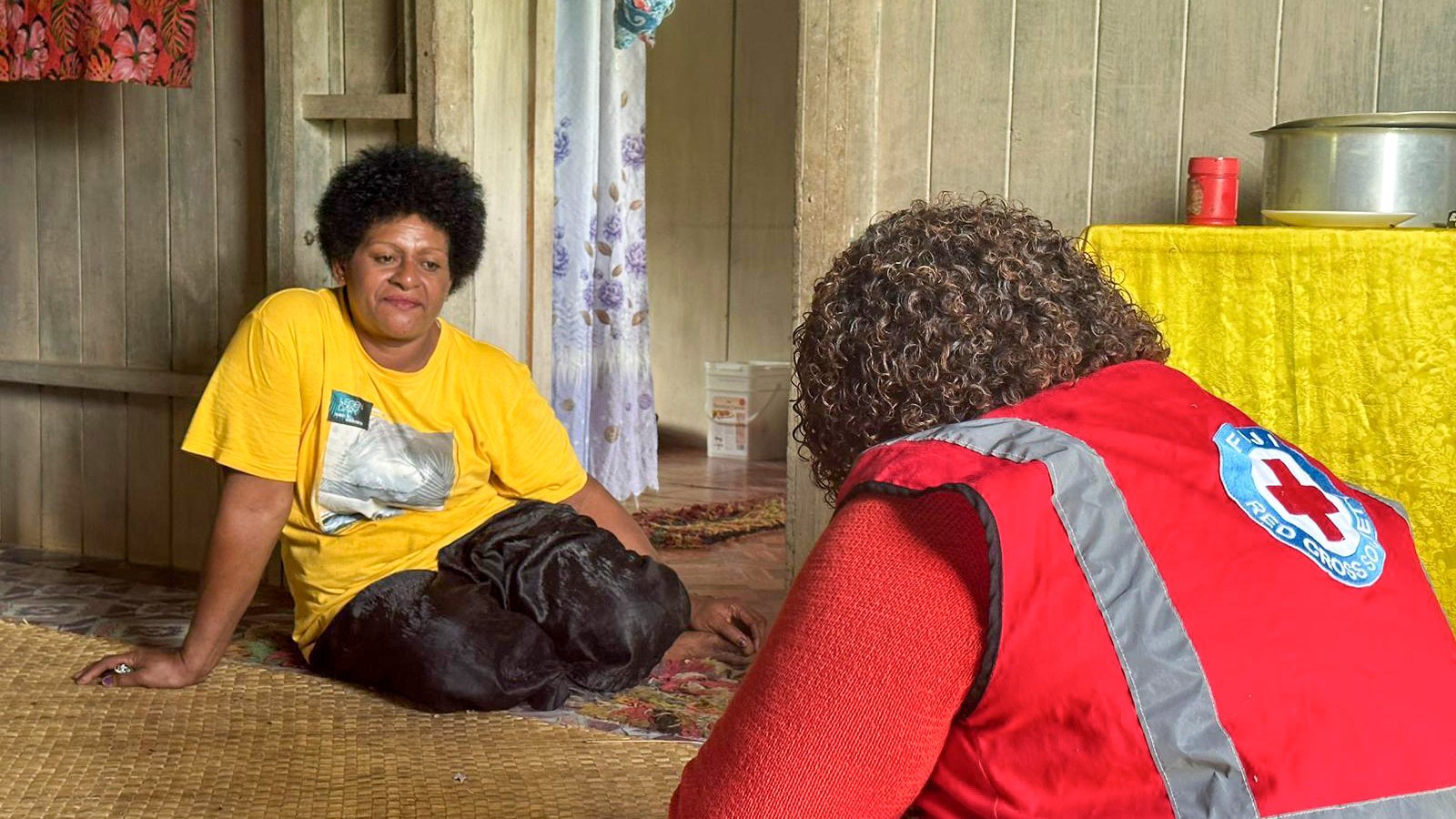
In Fiji, unusually heavy rainfall in early 2024 disrupted normal seasonal patterns, creating conditions for outbreaks of waterborne disease. In April, Fiji’s Ministry of Health reported rising cases of leptospirosis and dengue across several regions, including Kadavu, Ovalau, Nadi, Ba and Tavua. These illnesses pose serious health risks, particularly for children and older members of the community.
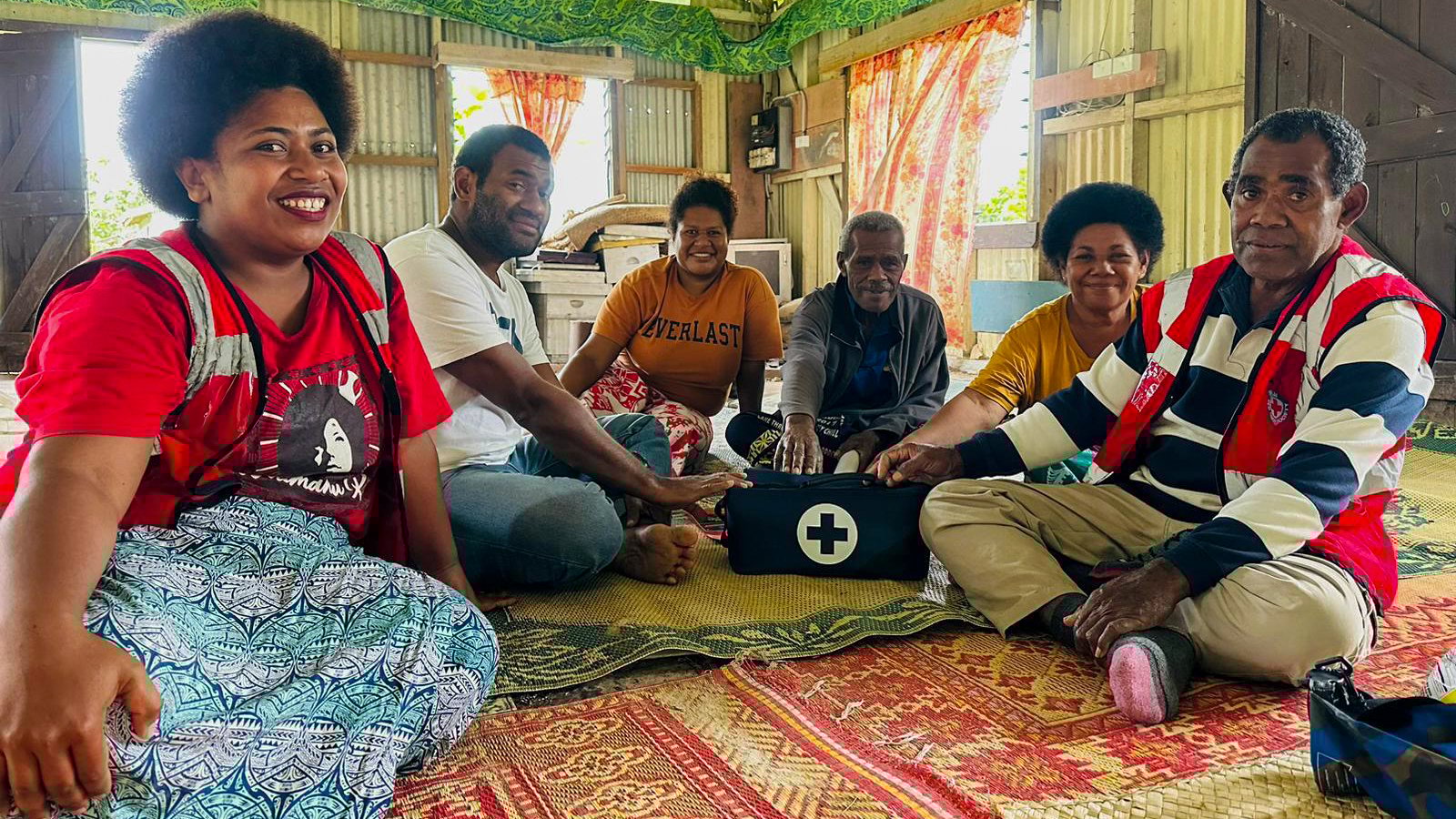
In response, Fiji Red Cross Society moved quickly. With support from the flexible fund, local teams were able to access critical resources and reach affected communities within days, focusing on rapid prevention as much as treatment. Volunteers went door to door, speaking directly with families, answering questions, and sharing vital information on hygiene, sanitation and disease prevention. Communities were provided with practical tools and clear guidance to help protect their health and reduce the spread of illness.
In just a few weeks, more than 13,000 people across 107 communities were reached by Fiji Red Cross. Because they were able to access the flexible fund within 48 hours of application, Fiji Red Cross could act immediately to deliver support when it was needed most.
Thousands of kilometres away, Marshall Islands was facing a very different disaster.
From November 2023 to early April 2024, ten atolls and islands experienced little to no rainfall. Some communities went up to six months without rain. Nearly 14,000 people were affected by the drought, placing enormous strain on water access across the country.
In the Marshall Islands, rainwater harvesting is essential. Around 80 per cent of households on neighbouring islands rely on collected rainwater for drinking. As drought conditions persisted, water catchments began to run dry. Families were forced to ration water, prioritising drinking and cooking over hygiene and sanitation. With this came risks such as likelihood of waterborne illness and disease outbreaks with long-term health impacts.
Initially supported by the International Federation of Red Cross and Red Crescent Societies’ (IFRC) Disaster Relief Emergency Fund, Marshall Islands Red Cross Society were able to distribute water containers while ensuring existing reverse osmosis units – machines that turn unsafe or salty water into clean, drinkable water – were kept in good working order.
Further support from Australian Red Cross allowed this response to be strengthened and sustained. The additional funding helped cover essential items and hygiene promotion as well as key operational costs, while enabling the response to be extended beyond immediate relief to support communities dealing with prolonged dry conditions, therefore building greater resilience. It also helped the atolls of Wotho and Ujae to access and operate reverse osmosis units of their own, with each unit capable of producing up to 500 gallons of purified water per day, offering a lifeline to those living through prolonged drought.
Right now, disaster preparedness and early action are more crucial than ever in the Pacific. As climate patterns continue to change and intensify, communities face ongoing risks from droughts, flooding and extreme weather. Australian Red Cross knows that preparedness, community-led leadership and early action can reduce the impact of disasters. To meet evolving needs, the flexible fund has since transitioned into a broader Asia-Pacific Response Fund, which provides flexible funding for local humanitarian action by National Societies across the region.
Since mid-2025, three National Societies – Kiribati, Tuvalu and Samoa RC – have all accessed the Asia-Pacific Response Fund to support responses to outbreaks of dengue fever.
While some emergencies demand a large-scale national or global response, others are better managed by locals who know their community best. With a flexible fund, Australian Red Cross can support National Societies across the Pacific to help their communities prepare for, respond to and recover from disaster, while building lasting resilience.
Reflecting on the impact of the fund, a member of Marshall Islands Red Cross says: “access to this fund means that we can support smaller communities and make sure no one is left behind.”
Source: Final Investment Monitoring Report of the Australian Red Cross-DFAT Partnership, AidWorks 2025

Red Cross pays our respects to the Aboriginal and Torres Strait Islander custodians of the country where we work, and to Elders, past, present and emerging.
Learn about our Reconciliation Action Plan and how we can all make reconciliation real.
This website may contain the images, voices or names of people who have passed away.
© Australian Red Cross 2026. ABN 50 169 561 394